Septic Maintenance and Inspection Requirements Before Selling Your Home
When preparing to sell a home with a septic system, understanding the maintenance and inspection requirements is essential. Septic systems are crucial for managing household wastewater in properties not connected to municipal sewer lines. Proper upkeep ensures the system functions efficiently and prevents costly repairs or environmental hazards, which can affect the sale process. Before listing your property, it is important to have the septic system thoroughly inspected by a qualified professional who can assess its condition and identify any issues that may need attention.
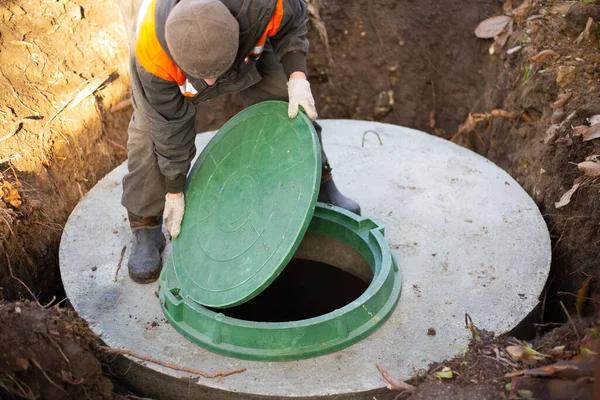
A septic inspection typically involves examining the tank, drain field, pipes, and surrounding soil to verify that everything operates correctly. The inspector will check for signs of leaks, blockages, or damage that could compromise the system’s performance. They will also measure sludge levels inside the tank to determine if pumping is necessary. Regular pumping helps prevent solids from overflowing into the drain field and causing clogs or failure. If problems are detected during inspection, addressing them promptly can save time during negotiations with potential buyers and avoid last-minute surprises.
Septic Tank Inspection
In many regions, local regulations require sellers to provide proof of recent septic maintenance and inspections or certifications before completing a real estate transaction. These rules vary depending on jurisdiction but often mandate an inspection within six months prior to sale or require documentation confirming routine maintenance has been performed regularly over several years. Understanding these legal obligations early in the selling process allows homeowners to comply fully without delaying closing dates.
Maintaining detailed records of all septic service activities-including inspections, pumpings, repairs, and upgrades-can be valuable when selling your home. Buyers appreciate transparency regarding system history as it provides confidence about future reliability and reduces their risk perception related to unseen defects or failures after purchase.
Additionally, proper care extends beyond inspections; homeowners should avoid disposing of non-biodegradable items down drains and limit water usage during peak times to reduce strain on the system while marketing their property. Landscaping choices near drain fields should minimize root intrusion risks that might damage pipes underground.
In summary, thorough septic maintenance combined with up-to-date inspections plays a vital role when selling homes equipped with onsite wastewater treatment systems. Meeting regulatory requirements along with proactive servicing demonstrates responsibility toward environmental safety while enhancing buyer trust throughout real estate transactions involving properties dependent on private sewage solutions.
Gray Septic Solutions
Savannah, GA 31405
912-661-4089