Maintenance Plans for Sustainable residential roofing
Maintaining a sustainable residential roof requires thoughtful planning and consistent care to ensure its longevity and environmental benefits. A well-designed maintenance plan not only preserves the roof’s structural integrity but also supports energy efficiency and reduces waste over time. Sustainable roofing materials, such as metal, clay tiles, or recycled shingles, often come with specific upkeep needs that differ from conventional options. Understanding these requirements is essential for homeowners aiming to maximize their investment while minimizing ecological impact.
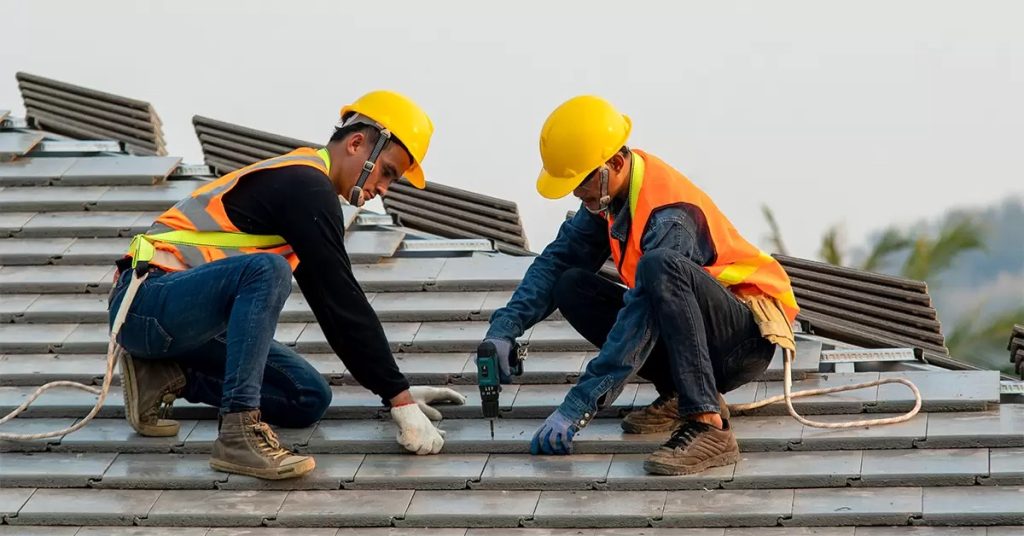
Regular inspections form the foundation of any effective maintenance plan. Conducting seasonal checks helps identify minor issues before they escalate into costly repairs or replacements. For instance, debris accumulation can trap moisture against roofing surfaces, promoting mold growth or material deterioration. Removing leaves, branches, and dirt ensures proper drainage and prevents water damage. Additionally, inspecting flashing around vents and chimneys guarantees that seals remain intact to avoid leaks.
Cleaning is another critical component in sustaining a green roof system. Algae or moss growth can compromise roofing materials by retaining moisture or causing surface degradation over time. Using environmentally friendly cleaning solutions avoids introducing harmful chemicals into surrounding soil and water systems while effectively maintaining appearance and functionality. Avoiding pressure washing methods that might damage delicate surfaces visit our page prolongs the life of sustainable materials.
Monitoring insulation beneath the roof also contributes to overall sustainability goals by enhancing energy conservation within the home. Proper insulation reduces heating and cooling demands, lowering utility bills and decreasing carbon footprints associated with excessive energy consumption. Periodic assessment allows homeowners to address gaps or compression issues that may develop due to settling or pest activity.
Incorporating rainwater harvesting features into the roofing design further complements maintenance efforts by managing stormwater runoff responsibly. Gutters should be cleaned regularly to prevent blockages that cause overflow or erosion near foundations. Downspouts directing water toward collection systems require inspection for cracks or misalignment ensuring efficient operation during heavy rains.
Engaging professional roofing specialists familiar with sustainable practices provides valuable insights tailored to specific material types used in residential projects. These experts can recommend appropriate repair techniques aligned with environmental standards while extending service life through preventive measures rather than reactive fixes.
Ultimately, a comprehensive maintenance plan balances routine care with proactive strategies aimed at preserving both functional performance and eco-friendliness of residential roofs throughout their lifespan. Homeowners committed to sustainability benefit from reduced resource consumption alongside enhanced property value achieved through diligent stewardship of their roofing assets over many years ahead.