
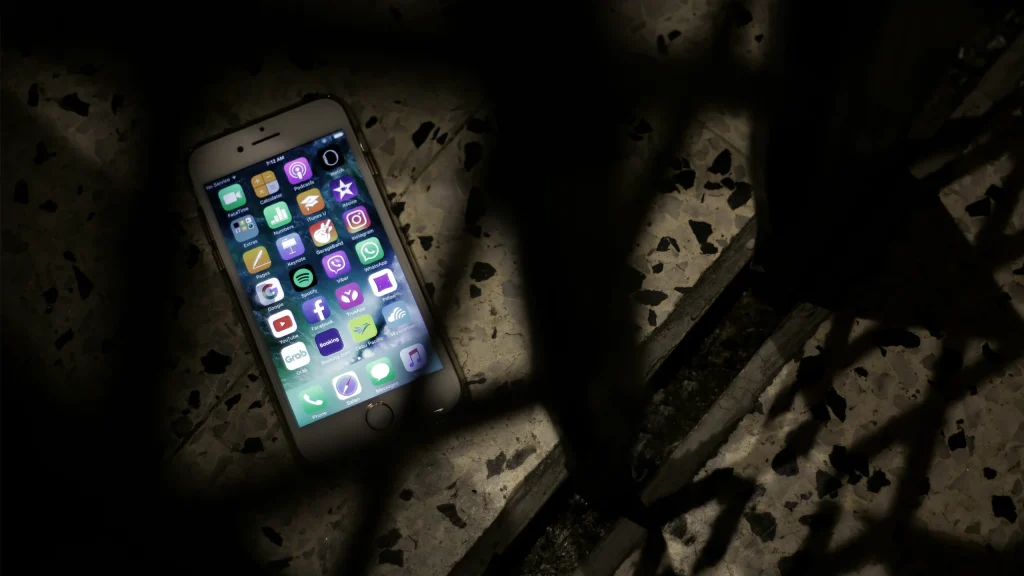
Why I Risked My Perfectly Good Phone for an iphone jailbreak
I still remember staring at my iPhone home screen one night, feeling oddly annoyed at how perfect and identical everything looked. Same icons, same grid, same animations I’d been swiping through for years. It worked flawlessly, sure, but it also felt like living in a very pretty hotel room where you’re not allowed to move the furniture. I’ve always been the kind of person who tweaks things PC builds, Android ROMs, even my car’s head unit so switching to iPhone for the camera and battery life came with this quiet itch I couldn’t scratch. Every time I wanted to change something simple, like the default apps or the way notifications behave, I’d slam into one of Apple’s invisible walls. Then I met a coworker who pulled out his phone and showed me a wildly customized interface, gestures I’d never seen, and apps that clearly didn’t pass any official review. He just smiled and said, “Yeah, it’s jailbroken.” That word lodged itself in my brain and refused to leave.
The funny part is, I didn’t jump straight into it. I’m reckless in theory, cautious in practice. I spent nights reading guides, horror stories about people bricking their phones, and arguments about security risks. Half the internet said it was digital freedom; the other half said it was a guaranteed way to ruin both your warranty and your life. My biggest struggle was this constant tug-of-war between curiosity and anxiety. I’d download a tool, then delete it. Bookmark a forum thread, then convince myself I didn’t need any of this. What finally tipped me over was finding a clear comparison of tools and methods on an iphone jailbreak resource that actually explained which options matched my iOS version, in normal human language instead of hacker jargon. I backed everything up twice, took a deep breath, and went for it. Those first few minutes after it finished were surreal. Suddenly I could theme the whole interface, change system fonts, add real toggles to Control Center, even install tiny tweaks that fixed the exact little annoyances Apple never bothers with.
The honeymoon didn’t last forever, though. Once the excitement settled, I started noticing the trade-offs in daily life. An app would randomly crash, or my phone would “respring” in my pocket for no reason. Battery life dipped. Certain banking and streaming apps refused to run unless I hid what I’d done. Every iOS update became a stressful decision: do I stay on the old version with my tweaks, or update and lose everything until someone releases a new method? After a few months of playing cat-and-mouse, I actually restored my phone back to stock just to breathe again. And here’s the strange truth: I miss the freedom, but I also appreciate the boring stability. These days, I treat jailbreaking like tuning a car you don’t do it to the family minivan you rely on for work; you do it to the weekend toy. On an older spare device, I’ll happily push limits and experiment. On my main phone, I think a lot harder about what I’m trading away. It’s not just about what you can make your phone do; it’s about how much responsibility you’re really willing to take for the thing you carry everywhere, every day.
