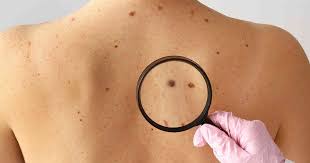
Mole Removal Using Modern Dermatology Techniques
Mole removal has become a common procedure in the field of dermatology, with modern techniques offering safe and effective solutions. Moles, or nevi, are clusters of pigmented cells that appear as dark spots on the skin. While most moles are benign and harmless, some may require removal due to cosmetic reasons or potential health risks.
Modern dermatology offers several advanced techniques for mole removal that prioritize patient safety and aesthetic outcomes. One of the most prevalent methods is laser treatment. This technique uses concentrated light beams to break down the pigment within the mole, causing it to fade over time. Laser treatment is particularly beneficial for removing flat moles that are difficult to excise surgically. It is minimally invasive, involves little discomfort, and typically requires no downtime.
Another widely used method is surgical excision. check this out traditional approach involves cutting out the mole along with a margin of surrounding tissue using a scalpel or surgical scissors. Although more invasive than laser treatment, surgical excision is highly effective for larger moles or those suspected of being cancerous. The procedure ensures complete removal and allows for histological examination to rule out malignancy.
For smaller moles situated above the skin’s surface, shave excision is often recommended. In this procedure, a small blade shaves off the mole flush with the surrounding skin level without requiring stitches. Shave excision offers quick recovery times and minimal scarring but might not be suitable for deeper moles.
Cryotherapy represents another innovative option where liquid nitrogen is applied to freeze off superficial moles effectively. This technique causes minimal discomfort and does not require anesthesia; however, it may necessitate multiple sessions depending on mole size and depth.
Radiofrequency ablation has also gained popularity as an efficient method for mole removal by using high-frequency radio waves to cut through tissues while simultaneously sealing blood vessels to minimize bleeding risk during procedures.
Each technique comes with its own set of advantages tailored towards specific needs based on factors like size location type etc.