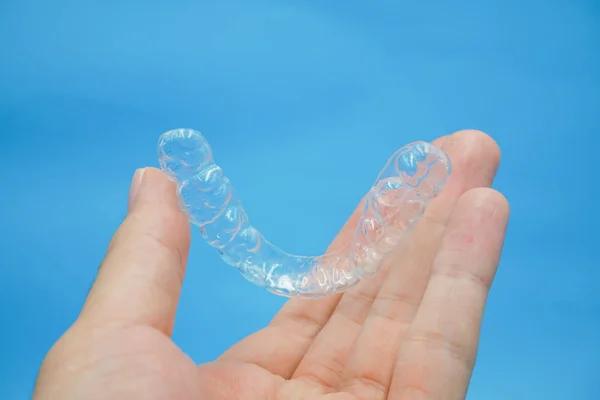
Invisalign vs Clear Aligners Are They the Right Choice for Teens and Adults
In recent years, the pursuit of a perfect smile has become more accessible and discreet, thanks to advancements in orthodontic treatments. Among these innovations are Invisalign and other clear aligners, which have revolutionized the way teens and adults approach teeth straightening. Both options offer a modern alternative to traditional metal braces, but how do they compare, and are they the right choice for everyone?
Invisalign is a well-known brand that introduced clear aligners as an effective orthodontic solution. These aligners are made from a patented thermoplastic material called SmartTrack, designed to fit snugly over the teeth while gradually shifting them into the desired position. The treatment involves a series of custom-made aligners that patients switch out approximately every one to two weeks.
Clear aligners from other brands function similarly but may differ in terms of materials used or specific treatment protocols. Despite these differences, all clear aligner systems share common advantages: they are nearly invisible when worn, removable for eating and cleaning, and generally learn more comfortable than traditional braces due to their smooth surfaces.
For teens specifically, both Invisalign Teen and other clear aligner options offer features tailored to younger patients. For instance, Invisalign Teen includes compliance indicators—small blue dots that fade with wear—to help ensure consistent use. This feature can be crucial for maintaining effectiveness since patient compliance significantly impacts treatment success.
Adults often appreciate the discretion afforded by clear aligners since professional or social settings may make metal braces less appealing. Additionally, adults tend to have greater self-discipline regarding wearing their aligners as recommended—typically 20-22 hours per day—which can lead to successful outcomes within projected timelines.
However, it’s important for both teens and adults considering these treatments to understand potential limitations. Clear aligners might not be suitable for severe cases requiring complex tooth movements or adjustments involving jaw alignment issues; traditional braces could still be necessary in such scenarios.
Cost is another factor worth considering; Invisalign tends to be priced higher compared with some generic clear aligner brands due largely to its established reputation and advanced technology like 3D imaging software used during consultations.