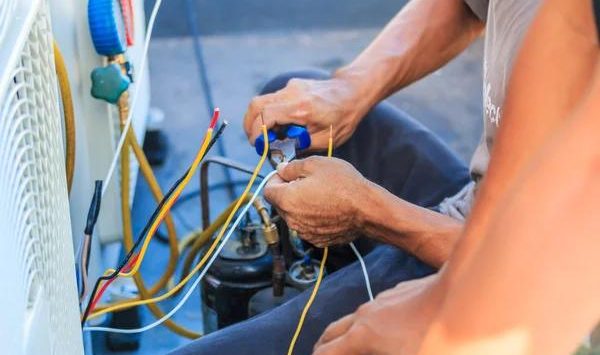
How Seasonal Changes Affect the Need for Air Conditioning Repair
Seasonal changes have a significant impact on the performance and maintenance needs of air conditioning systems, often influencing the demand for repair services. As temperatures fluctuate throughout the year, air conditioners experience varying levels of strain, which can lead to different types of wear and tear. Understanding how these seasonal shifts affect air conditioning units helps homeowners anticipate potential issues and address them promptly to maintain comfort and efficiency.
During warmer months, air conditioners are used extensively as they work harder to cool indoor spaces. This increased usage can accelerate component fatigue, leading to common problems such as refrigerant leaks, compressor failures, or clogged filters. The constant operation also exposes parts like fans and motors to more stress, increasing the likelihood of mechanical breakdowns. High outdoor temperatures may cause overheating in some units if ventilation is inadequate or if internal components are dirty or worn out. Consequently, spring and summer often see a rise in ac repair duncan requests due to these factors.
Conversely, cooler seasons bring their own challenges for air conditioning systems even though they might be used less frequently or not at all during winter months in many regions. When an AC unit remains idle for extended periods without proper maintenance before shutdown, dust accumulation and corrosion can occur inside critical components. Moisture buildup during colder weather can promote rusting on metal parts or damage electrical connections within the system’s control panel. These conditions increase the chances that when warm weather returns and the system is restarted after several months of inactivity, it will require servicing to restore optimal function.
Additionally, transitional seasons like fall and early spring present unique circumstances where fluctuating temperatures may cause irregular usage patterns. During these times, owners might turn their cooling systems on sporadically depending on daily weather changes rather than continuous operation seen in peak summer months. Such intermittent use sometimes leads to inconsistent lubrication of moving parts or uneven pressure within refrigerant lines-both contributing factors toward premature wear that necessitates repairs.
Regular seasonal maintenance plays a crucial role in mitigating many issues associated with temperature variations throughout the year. Professional inspections conducted before heavy usage periods ensure that filters are clean, refrigerant levels are adequate, electrical connections remain secure, and mechanical components function smoothly without obstruction or damage from debris accumulated during downtime.
In summary, seasonal changes directly influence how much strain an air conditioning system endures over time while also affecting its susceptibility to various faults caused by environmental conditions such as heat exposure or moisture accumulation. Being aware of these effects encourages proactive care measures including timely repairs aligned with changing seasons so that cooling equipment operates reliably whenever needed most by occupants across different climates throughout the year.
Tuck & Howell Plumbing, Heating & Air
12990 E Wade Hampton Blvd, Duncan, SC 29334
864-932-3587